
Uncategorized
Are Faded Fruits Gummies Real or Fake? 7 Checks That Work
Mar
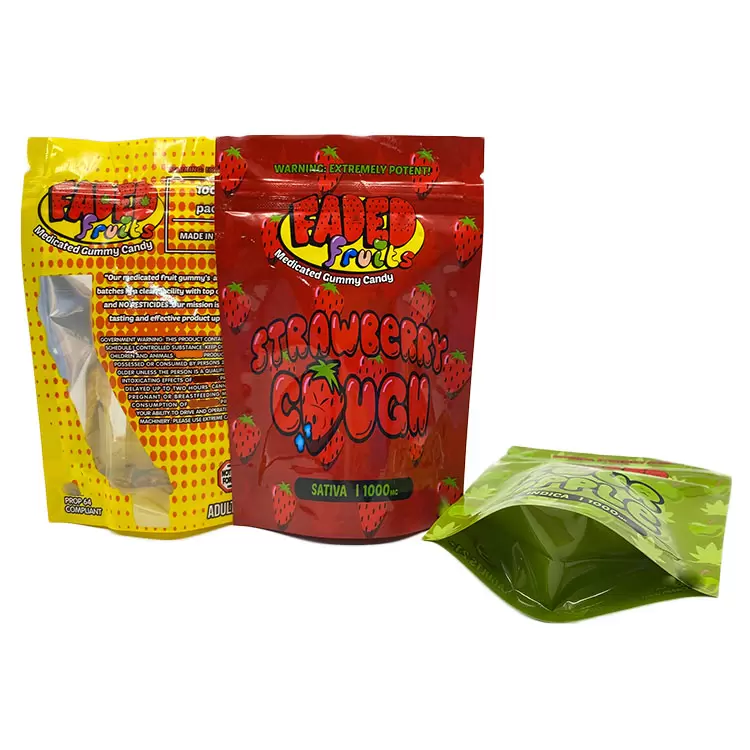
Search the brand name and the same question comes back every time: are these real? It is the right question to ask, and the honest answer is that both genuine and counterfeit packs circulate widely. This guide sets out exactly what to check, why the problem exists, and what packaging can and cannot tell you.
On this page
- Why counterfeits are so common
- The seven checks that actually work
- Print and packaging detail
- The seal test
- Inspecting the gummies
- Price as a signal
- Judging the seller, not the bag
- What a certificate of analysis proves
- The official website problem
- What to do if you think a pack is fake
- Frequently asked questions
Why counterfeits are so common
The counterfeiting problem in this corner of the edibles market is not an accident, and understanding the mechanics of it makes the checks below far easier to apply.
Empty branded pouches are a commodity. Search any large wholesale marketplace and you will find printed mylar bags for most recognisable edible brands, sold by the thousand at a few cents each, with no verification of who is buying them or what will go inside. Anyone with a heat sealer and a supply of candy can produce something that looks convincing on a table.
Layered on top of that is the absence of a regulator. These are unlicensed novelty edibles rather than state licensed dispensary products, which means there is no licence to revoke, no mandatory batch testing, and no authority policing who fills the bags. The US Food and Drug Administration has issued repeated consumer warnings about cannabis edibles packaged to resemble familiar snack brands, noting that potency frequently does not match what is printed.
The result is a market where the bag is the least reliable thing about the product. That is the single most important idea in this guide.
The seven checks that actually work
None of these is conclusive alone. Together they will catch the large majority of bad product before you open it.
| Check | What genuine looks like | Warning sign |
|---|---|---|
| Print sharpness | Clean logo edges, no fuzz | Blurred or doubled edges |
| Colour | Consistent, saturated | Washed out or shifted hue |
| Panel alignment | Front and back line up | Back panel offset or crooked |
| Seal | Even factory heat seal, full width | Wavy, partial or re-pressed seal |
| Gummy uniformity | Even size, even coating | Mixed sizes, bald patches |
| Bag contents | Pieces move separately | Fused into one block |
| Price | In line with the market | Far below everyone else |
Print and packaging detail
Counterfeit packaging is usually produced from a scan or a photograph of a genuine bag rather than from the original artwork files. That single fact creates most of the tells.
Scanning and reprinting loses fine detail. Look closely at the smallest text on the pack, the kind used for warnings or weights, and at the fine edges of the logo. On a genuine pouch these stay crisp. On a copy they soften, and letters can look slightly thickened or fuzzy at the edges. Hold the pack at an angle under a bright light, which exposes this far better than looking at it straight on.
Colour is the second tell. Reprinting shifts hue, and the change is easiest to spot in large flat areas of a single colour rather than in busy artwork. If you have a pack you already trust, compare them side by side. If you do not, look for internal consistency: the same colour should appear identical on the front and the back of the same bag.
Finally, check how the panels line up. Genuine production runs are registered accurately, so front and back artwork sit square to the seams. Copies are frequently a few millimetres out, with the back panel visibly offset or slightly rotated relative to the front.
The seal test
The heat seal is the hardest thing to fake convincingly, because it is a manufacturing process rather than a printing one, and it is where refilled bags most often give themselves away.
A factory seal runs evenly across the entire width of the pouch, with a consistent depth and a uniform texture. It looks machine made because it is. Run your thumb along it and it should feel the same from one edge to the other.
A refilled bag has been opened and resealed, usually with a handheld impulse sealer. Look for a seal that is wavy rather than straight, that varies in depth along its length, that stops short of one edge, or that shows a doubled line where the original seal and the new one overlap. Any of those means the bag has been opened after it left wherever it was originally filled, and at that point you have no idea what is inside.
Inspecting the gummies
If the pack passes and you open it, the contents give you the next layer of information.
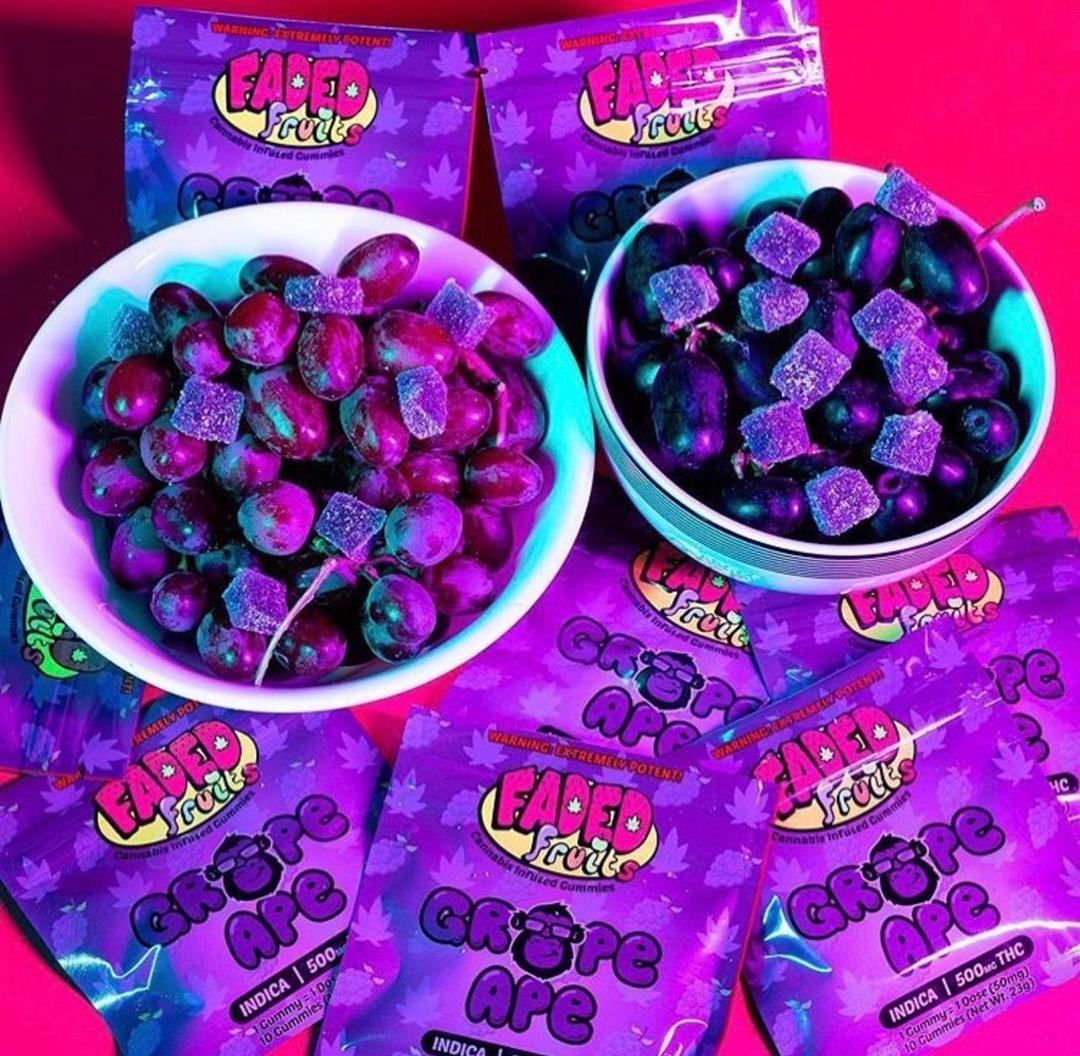
Genuine production is consistent. Pieces should be closely matched in size and shape, with an even coating across all of them. Significant variation in size, pieces that are noticeably denser or lighter than their neighbours, or patchy coating where some pieces are heavily sugared and others nearly bare, all point to small scale hand production rather than a factory line.
Texture matters too. The pieces should be firm but yielding, and they should separate cleanly. Gummies that have fused into a single block have been stored somewhere warm, which is a storage failure rather than proof of counterfeiting, but it also means you can no longer portion them accurately and should treat the whole bag as unreliable for dosing.
Smell is worth a moment as well. A genuine infused product usually carries a faint cannabis note underneath the fruit flavouring. A bag that smells purely of sweets and nothing else is not proof of anything on its own, but combined with other warning signs it adds to the picture.
Price as a signal
This is the check people most often ignore and the one that catches the most fraud. The cheapest possible counterfeit is a convincing bag filled with ordinary uninfused candy, because the candy costs almost nothing and the margin is enormous.
That economics has a consequence you can use. Sellers of fake product can undercut everyone else indefinitely, because their input cost is a fraction of the real one. So when a listing sits dramatically below the rest of the market, the most likely explanation is not a bargain or a clearance, it is that the product is not what it claims to be.
Get a sense of the normal range by looking at several sellers before you buy. Then treat anything far below that band as a warning rather than an opportunity. Paying a fair price is not a guarantee of authenticity, but paying a suspiciously low one is a reliable way to end up with nothing.
Judging the seller, not the bag
Because packaging is easy to fake and hard to verify, the more useful question is not whether this bag looks real but whether this seller is worth trusting. That is something you can actually assess before you spend anything.
A seller worth using will answer a specific question before you pay rather than after, will give you a real contact route rather than only a form that disappears into nothing, and will tell you plainly where goods ship from and how long delivery takes. They will take age seriously, because a store selling THC edibles that never asks your age is telling you how seriously it takes compliance in general.
Pay attention to payment methods too. Sites that accept only cryptocurrency, gift cards or peer to peer cash apps have chosen payment rails specifically because they prevent chargebacks. That is not automatically proof of fraud, since legitimate sellers in this space face genuine banking difficulties, but it does mean you carry all the risk if something goes wrong.
What a certificate of analysis proves
A certificate of analysis is a laboratory report showing what a specific batch actually contains. In licensed cannabis markets they are mandatory, published, and tied to a batch number you can match against the product in your hand.
In the unlicensed market they are worth much less than people assume, because a PDF is as easy to copy as a bag. A certificate only means something if it names a real accredited laboratory, carries a batch number that matches your product, and is dated plausibly. A generic image with no lab name, no batch reference and no date proves nothing at all.
If verified potency genuinely matters to you, the only reliable route is a state licensed dispensary where testing is mandatory and results are published. The California Department of Cannabis Control runs a public licence lookup so you can confirm a retailer is real before spending anything. That is a genuine trade off worth weighing rather than dismissing.
The official website problem
Search the brand and you will find a wall of near identical domain names, several of which describe themselves as the one official site. They cannot all be right, and in practice the claim carries no information at all.
There is no trademark holder actively policing this name in the way that a mainstream confectionery brand would police its own, which is precisely why so many independent sites use it. Treating official as a meaningful signal will lead you astray, because it is the easiest claim in the world to make and the hardest for a buyer to check.
Judge sites on what they actually do instead. Do they answer questions? Do they publish real detail on product pages, or the same paragraph copied across every listing? Do they tell you what they do not know? Those are harder to fake than a banner saying official.
What to do if you think a pack is fake
Stop and do not eat it. That sounds obvious, but the common instinct is to try a small piece to find out, and that is exactly the wrong move because you have no idea what is in it.
Photograph everything: the outer packaging, the pouch from both sides, the seal, and the contents. Do it before you handle things further, because those images are what support a refund claim or a dispute with your payment provider. Note the date it arrived and keep the original order confirmation.
Then contact the seller with the photographs and give them a chance to resolve it. If they refuse or go quiet, raise a dispute with whoever processed the payment. If you have already eaten some and feel unwell, the National Capital Poison Center operates a free 24 hour helpline, and you should seek medical attention for chest pain, fainting, persistent vomiting, or any exposure involving a child or a pet.
Where this leaves you
No single check makes you certain, and anyone promising otherwise is selling something. What the checks in this guide do is stack the odds heavily in your favour, and they take about two minutes to run.
Look at the print, the seal and the contents. Compare the price against the market rather than against your hopes. Judge the seller on how they behave before you pay rather than on what their banner claims. And decide honestly whether verified potency matters enough to you to buy from a licensed dispensary instead.
If you want to see what we actually stock, the full range is in Faded Fruits gummies, with bulk options in boxes from 25 to 10,000 packs and sister ranges in Full Send Canna Gummies and FKEM Gummies. Ask us anything through the contact page before you order.
Frequently asked questions
Are Faded Fruits gummies real or fake?
Both circulate. Empty branded pouches are sold in bulk on wholesale marketplaces, so packaging alone proves nothing. Check print sharpness, seal evenness and gummy consistency, compare the price against the wider market, and judge the seller on how they behave before you pay.
How can I tell if a gummy pack has been refilled?
Look closely at the heat seal. A factory seal is even across the full width with consistent depth. A resealed bag typically shows a wavy or doubled line, varying depth, or a seal that stops short of one edge.
Does a cheap price mean the gummies are fake?
Not always, but it is the strongest single warning sign. Filling counterfeit bags with uninfused candy costs almost nothing, so fake sellers can undercut the market indefinitely. Treat prices far below the normal range as a red flag.
Which website is the real official Faded Fruits site?
Many unrelated domains claim to be official and there is no active trademark holder policing the name, so the claim carries no information. Judge sites on whether they answer questions, publish real product detail and take age verification seriously.
Is a certificate of analysis proof the product is genuine?
Only if it names a real accredited laboratory, carries a batch number matching your product, and is plausibly dated. A generic image with no lab name or batch reference proves nothing, because a PDF is as easy to copy as a bag.
What should I do if I already ate part of a suspicious pack?
Stop eating it and keep the packaging and contents. If you feel unwell, rest somewhere quiet and hydrate. Seek medical attention for chest pain, fainting, persistent vomiting, or any exposure involving a child or a pet.
