
Half the gummies on the market carry an indica, sativa or hybrid label. Those words mean something real in flower, and something considerably weaker once the product has been through your liver. Here is what the labels actually tell you and how much weight to give them.
On this page
Where the labels come from
The indica and sativa distinction began as botany rather than pharmacology. Eighteenth and nineteenth century botanists described two cannabis populations with different growth habits: broad leaved, short and bushy plants from one region, and tall, narrow leaved plants from another. The names described plant shape and geographic origin, nothing more.
The effect associations that everyone now uses came much later, from cultivator and dispensary culture rather than from research. Indica became shorthand for a heavy, body focused, sedating experience, and sativa for a lighter, more energetic and cerebral one. Hybrid became the label for anything crossed between the two, which after decades of breeding is essentially everything.
That last point matters more than it sounds. Modern commercial cannabis is so extensively crossbred that pure lineages barely exist outside of specialist collections. When a pack says indica today, it is describing a marketing category and an expected feel, not a verified botanical classification.
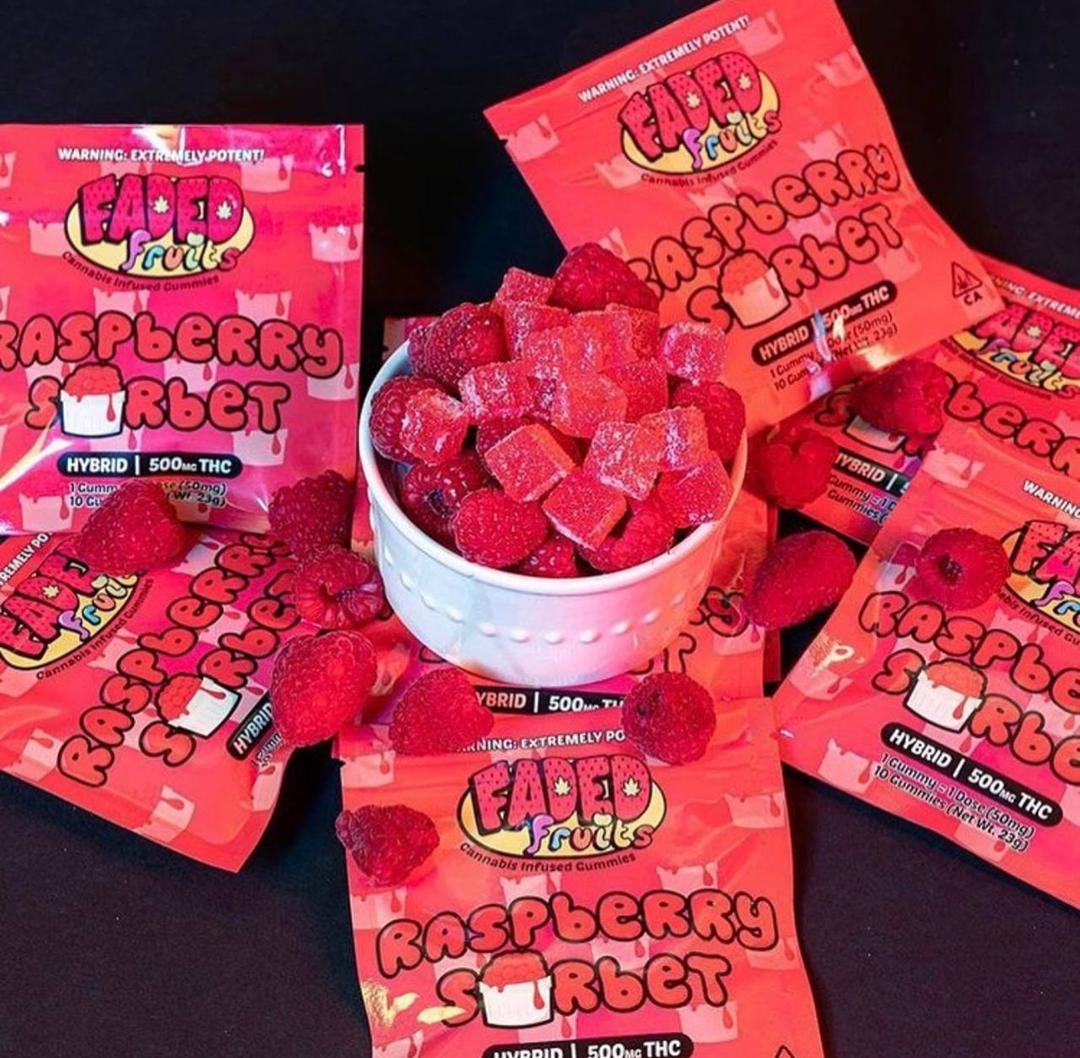
What they mean in flower
With smoked or vaporised cannabis, people do report consistent differences between strains, and those reports are not imaginary. Someone who smokes regularly can usually tell you which of two strains left them couch bound and which left them talkative, and they will often be consistent about it across occasions.
What is contested is whether indica and sativa are the right labels for that variation. The current view among researchers is that the traditional categories are poor predictors, and that the differences people notice come from the specific chemical profile of a given batch rather than from which of two centuries old botanical buckets it was assigned to. Two plants both labelled indica can differ from each other more than either differs from a sativa.
So even before edibles enter the picture, the labels are a rough heuristic rather than a reliable guide. They carry some information because breeders have selected along those lines for decades, but the signal is noisy.
What changes in an edible
Now add digestion, which is where most of the remaining signal gets lost.
When you smoke, THC goes from lungs to blood to brain largely unchanged, and it arrives alongside the full aromatic profile of that particular plant. When you eat cannabis, it takes a much longer route through the stomach and intestine, and critically it passes through the liver first. The liver converts a substantial proportion of the delta 9 THC into a related compound that is more potent at the receptors it acts on, crosses into the brain more readily, and lasts considerably longer.
That conversion is the dominant event in an edible experience. It is why edibles feel heavier and more body focused than smoking regardless of what the pack says, and it is why many people describe every edible as feeling somewhat indica leaning. The metabolic pathway is doing more to shape the experience than the strain lineage is.
There is a second issue specific to gummies. Most infused gummies are made with a concentrated distillate rather than with whole plant material, and distillation strips out the aromatic compounds that carried whatever strain character existed. The flavour you taste is added afterwards. A gummy labelled Blue Slush tastes of blue raspberry because of food flavouring, not because of anything the plant contributed.
The terpene argument
The counterargument runs like this: some manufacturers add terpenes back into the product after distillation, reproducing the aromatic profile associated with a particular strain, and terpenes may modulate the effect of THC through what is often called the entourage effect.
It is a reasonable argument and it is not nothing. Terpenes are pharmacologically active compounds, and there is preliminary evidence that some of them influence mood and sedation independently. Myrcene, linalool and limonene all have plausible mechanisms behind the claims made for them.
The honest caveat is that the evidence in humans, at the concentrations present in a gummy, after digestion, is thin. Most of the supporting research is in cell cultures or animals or uses far higher concentrations than a sweet contains. It is a real hypothesis under investigation rather than an established fact, and anyone presenting it as settled science is overselling it.
So are the labels useful at all?
| Indica label | Sativa label | Hybrid label | |
|---|---|---|---|
| Expected feel | Heavier, physical, calming | Lighter, brighter, talkative | Between the two |
| Typical flavours used | Berry, grape, darker sweets | Citrus, tropical, sharper | Mixed |
| Usual time of day | Evening | Daytime | Either |
| Reliability in flower | Rough guide only | Rough guide only | Rough guide only |
| Reliability in an edible | Weak | Weak | Weak |
| What actually drives effect | Dose, timing, stomach contents and setting, in that order | ||
Somewhat, in three specific ways, and it is worth being precise about what those are.
First, they are a useful flavour and product family signal. Within a single brand, the indica options tend to cluster around darker, sweeter berry and grape flavours, and the sativa options around brighter citrus and tropical ones. That is a real and consistent pattern, even if it is a decision made by a flavour technician rather than by a plant.
Second, they set an expectation, and expectation genuinely shapes experience. If you take something labelled indica in the evening believing it will help you wind down, you are more likely to wind down. That is not a trick or a failure of the product, it is how a large part of any subjective drug experience works, and it is worth using deliberately rather than dismissing.
Third, they give you a vocabulary for tracking your own responses. If you notice over several months that the darker sweeter options consistently suit your evenings better, that is useful personal data regardless of whether the mechanism is lineage, terpenes or expectation.
How to choose in practice
Choose on flavour first. You will be eating this repeatedly over weeks or months, and a pouch you dislike the taste of is a pouch you will not finish. That is a far more concrete consideration than a contested botanical label.
Then use the label as a soft tiebreaker for timing. If you want something for the evening, an indica labelled option like Blue Slush or Grape Ape is a reasonable default. For daytime, a sativa labelled option such as Strawberry Cough or Orange Sherbet fits the expectation better. Hybrids such as Cherry OG sit between the two.
Then pay attention and keep a note. Your own record of what suited you will beat any general rule within a few sessions, and it costs nothing to build. The full lineup with tasting notes is on the Faded Fruits gummies page, and Full Send Canna Gummies skips strain labelling entirely if you would rather not think about it at all.
What matters more than the label
Three things influence how an edible session goes far more than which of three words is printed on the pouch, and focusing on them is a better use of your attention.
Dose. By a wide margin the most important variable. The difference between a quarter piece and a whole piece will dominate any strain effect completely. Work out your per piece figure properly, as covered in our guide to getting your dose right.
Timing and stomach contents. Whether you have eaten, what you ate and what time of day it is will change the experience more than lineage will. Onset and duration are covered in how long gummies take to kick in.
Setting and mood. Where you are, who you are with and how you feel going in shape a cannabis experience substantially. Someone anxious in an unfamiliar place will have a harder time with a sativa labelled gummy than a relaxed person at home will have with the same product.
For broader context on cannabis effects, the Centers for Disease Control and Prevention publishes plain, non commercial guidance worth reading.
Frequently asked questions
Does indica or sativa matter in gummies?
Much less than in flower. Digestion converts a large share of the THC into a longer acting compound in the liver, and that conversion shapes the experience more than lineage does. Most gummies are also made from distillate with flavour added afterwards. Treat the label as a flavour and expectation cue rather than a guarantee.
Why do all edibles feel like an indica?
Because the liver converts delta 9 THC into a compound that is more potent and longer lasting, producing the heavier body focused feel people associate with indica regardless of what the pack says.
What is the entourage effect?
The idea that terpenes and other cannabis compounds modulate the effect of THC. It is a plausible hypothesis with some preliminary support, but the human evidence at the concentrations found in a gummy is thin. Treat it as unsettled rather than proven.
Should I pick a sativa gummy for daytime?
It is a reasonable default and expectation genuinely shapes experience, so it may well help. Just be aware that any edible can feel heavier than expected, so keep the dose modest if you need to stay functional.
What matters more than the strain label?
Dose above everything, then timing and whether you have eaten, then setting and mood. All three influence an edible session far more than which of three words appears on the pouch.
Are hybrid gummies a compromise?
Not really. After decades of crossbreeding almost all commercial cannabis is hybrid, so the label describes a middle expectation rather than a blend of two pure things.
The third species nobody markets
There is a third recognised cannabis population that almost never appears on packaging, and knowing about it helps explain why the two category system is shakier than it looks.
Cannabis ruderalis grows wild across parts of eastern Europe and central Asia. It is small, produces very little THC, and is largely ignored by consumers. Breeders, however, use it constantly, because it flowers according to age rather than daylight hours. That trait, called autoflowering, is enormously valuable commercially and has been bred into a great many modern cultivars.
The consequence is that a plant sold today as indica may carry genetics from all three populations, selected for yield, flowering time and disease resistance rather than for any effect profile. The two word system on the packaging was never designed to describe that, and it does not. It survives because it is simple and because customers expect it, not because it accurately maps what is in the jar.
What the research actually says
It is worth being clear about the state of the evidence, because both sides of this argument tend to overstate their case.
Chemical analyses of large numbers of commercial samples have repeatedly found that strain names and indica or sativa labels correlate poorly with the actual cannabinoid and terpene content of the product. Samples sold under the same name from different sources often differ substantially, and samples from different categories often overlap. That finding is reasonably robust and it is the strongest argument against taking the labels literally.
On the other hand, the claim that the labels are pure fiction goes too far. Consumers do report consistent differences, breeders have selected along these lines for decades, and there are plausible mechanisms by which minor compounds could shape the experience. What the research undermines is the idea that the label is a reliable predictor for a specific product you are holding, not the idea that cannabis varieties differ from one another.
The reasonable position sits in between: differences are real, the two word system captures them poorly, and your own notes on specific products will serve you better than the category.
Building your own map
Because the labels are unreliable and individual responses vary, the most useful thing you can do is keep a short record. It takes seconds and it replaces guesswork with something specific to you.
Note the product and flavour, the label it carried, the amount you took and when, and then two or three words about how it felt and how long it lasted. Do that for a couple of months across whichever options you try, and a pattern will emerge that is genuinely yours rather than borrowed from packaging.
What people usually discover is that one or two specific products suit them reliably and that the category label predicted it only loosely. Someone may find that Mango Kush works better for their evenings than several indica labelled options do, which the label would never have told them. That is the point: buy the product that works for you, not the word on the front.